
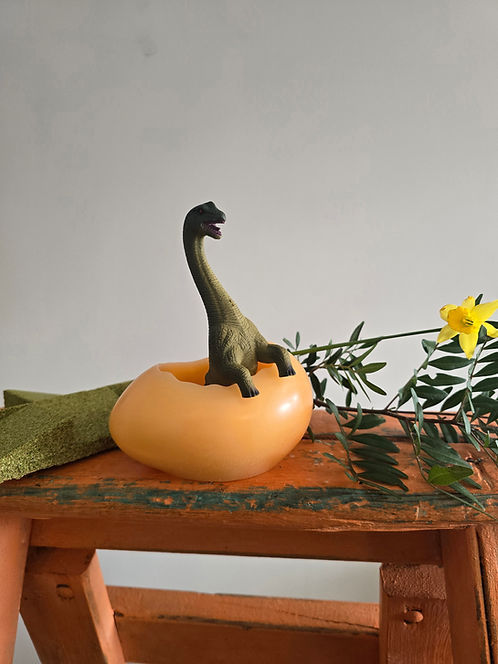
Dinosaurs, Birds, and Reptiles: Together in the Story of Life
- roar169
- Jan 12
- 3 min read
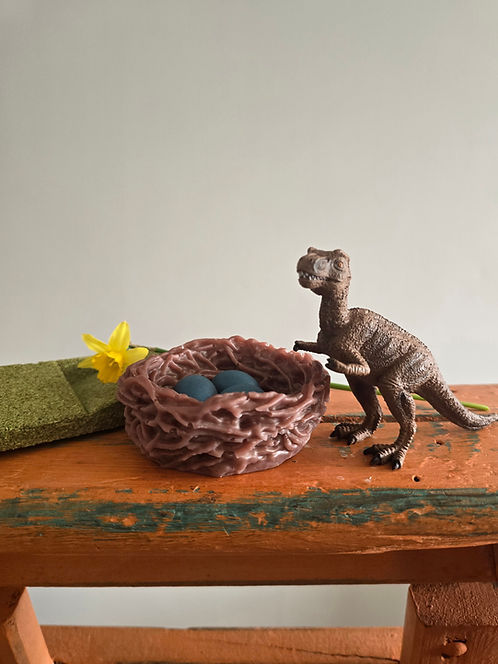
Step into a time machine, not just any time machine, but one that stretches back over 230 million years to when dinosaurs first roamed our planet. For many of us, dinosaurs evoke roaring giants like T. rex and gentle giants like Diplodocus. But if you think dinosaurs belong only to the deep past, it turns out, in a wonderful twist, they are still with us today.
So, What is a Dinosaur?
Dinosaurs were a special group of land dwelling reptiles that emerged in the Mesozoic Era, often called the Age of Dinosaurs, spanning from about 252 to 66 million years ago. What made them distinct from other reptiles, like snakes or lizards were features of their hips, legs, and skulls that allowed them to walk upright on land in a way no other reptile could.

Some dinosaurs grew as big as houses, others were no bigger than turkeys. Most of them, even the fearsome meat eaters, weren’t tail dragging monsters, but dynamic, active animals with surprising adaptations.
Birds: Tiny Dinosaurs All Around Us
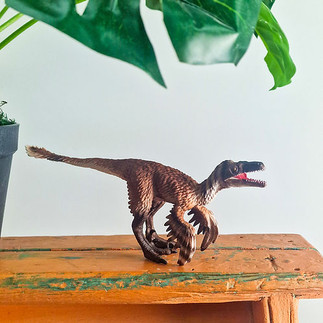
Here’s where the best part comes in: birds are living dinosaurs. It’s not a metaphor, not a poetic flourish, it’s factual. Birds belong to that same dinosaur family tree and descended from small, feathered theropod dinosaurs, the same group that includes familiar names like Velociraptor.

In fact, over the past few decades, fossils discovered around the world have shown that many dinosaurs were covered in feathers, feathered creatures that looked surprising and wonderful, even long before the first true birds evolved.

When you watch a pigeon perch on a statue’s head or see a robin hop through your garden, you’re seeing a modern dinosaur, one that survived the mass extinction of 66 million years ago that wiped out their bigger cousins.
But Wait, Are Birds Reptiles Too?
This question makes many grown ups scratch their heads, but here’s the short answer: Yes, in a scientific sense, birds are a kind of reptile. Because birds evolved from dinosaurs and dinosaurs evolved from ancient reptiles, birds fit inside the broad reptile family tree. This is why some museum displays are starting to show birds right alongside other reptiles as part of the same big group.

That doesn’t mean a chicken looks like a crocodile, they clearly don’t!, but it does mean they share ancestry far back in Earth’s history, deep enough that their genetic and anatomical traits still reflect that ancient lineage.

Reptiles: The Larger Ancient Family
True reptiles, like snakes, lizards, turtles, and crocodiles, first evolved even earlier than dinosaurs. They’re part of a branch of life known as amniotes, animals whose eggs contain specialised membranes that allowed them to live fully on land. Within that broad family, dinosaurs, and birds, belong to a smaller group called archosaurs, which also includes crocodilians.

So while birds are reptiles scientifically, we still use the word reptile today to describe the scaly, cold blooded animals most of us recognise, not the fluffy, feathered robins in our backyards. Think of it as a big tree with many branches: reptiles are the trunk, dinosaurs part of a big limb, and birds, the beautiful leaves that keep growing today.
Why This Matters and Why It’s So Cool
Understanding that birds are dinosaurs, and dinosaurs are reptiles, not only fills museums with deeper meaning, it connects our world to the prehistoric one in an immediate way.

Next time you hear a blackbird sing or a woodpecker tap, imagine it as a whisper from deep time, the last living chapters of the dinosaur saga. Feathered, warm blooded, and utterly alive, birds carry forward the legacy of giants like Archaeopteryx and Velociraptor into the dawn of every new day.










I thoroughly enjoyed reading this blog post, this is a really good intro into developing our understanding about this complex and layered topic.